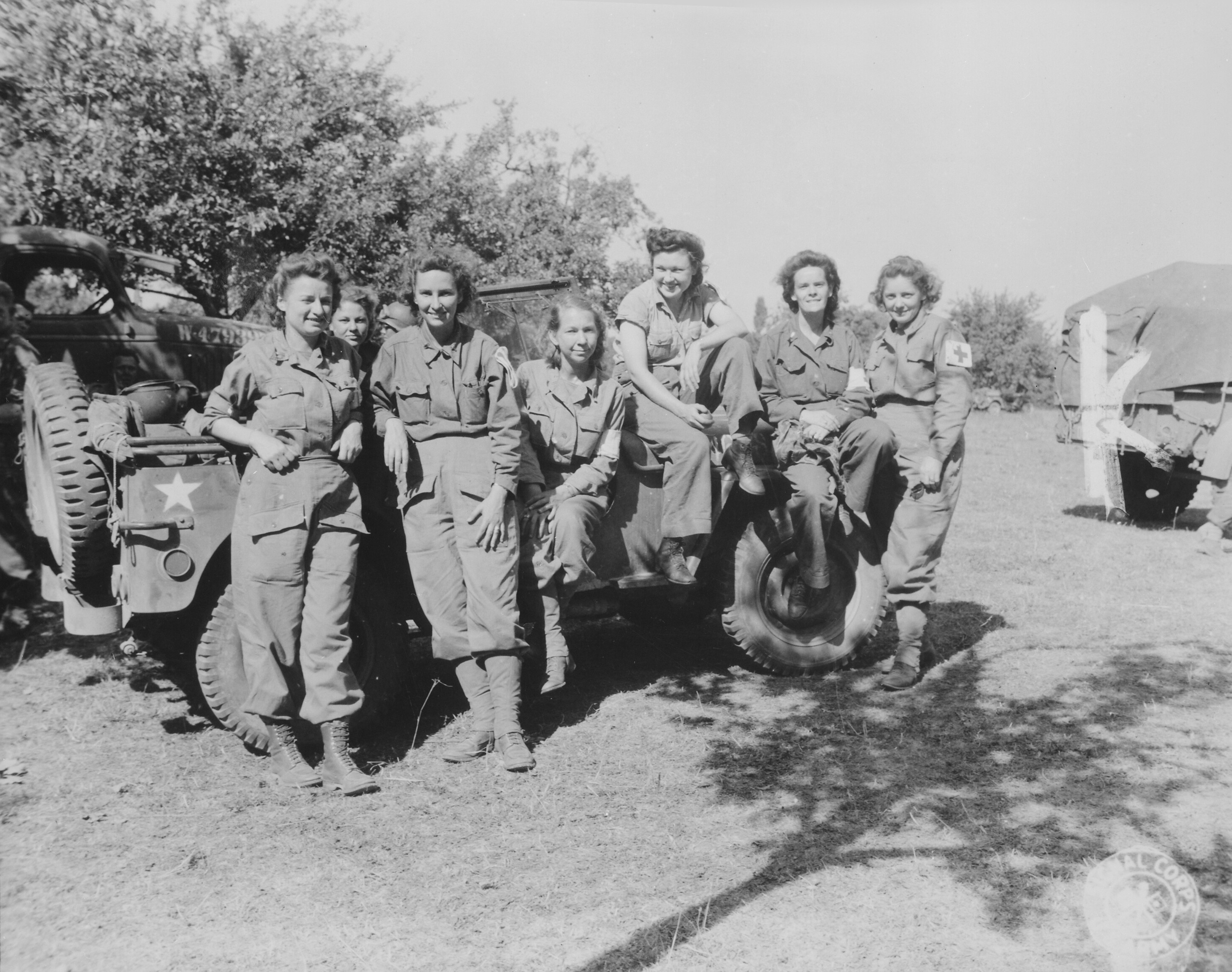
Women were in this war, too, in every theater, and in roles and circumstances that have been often overlooked. Their experiences have filled books and have also been forgotten. A few carried weapons. Far more carried the telegrams, the tablets of morphine, the bodies of dying men, the horrors of the camps, and the cameras that documented some of the most human and most horrible moments of the war. They carried, too, the shared history of a war that left no person untouched. The categories below are some of the ways women encountered WWII.
Trace a woman's wartime service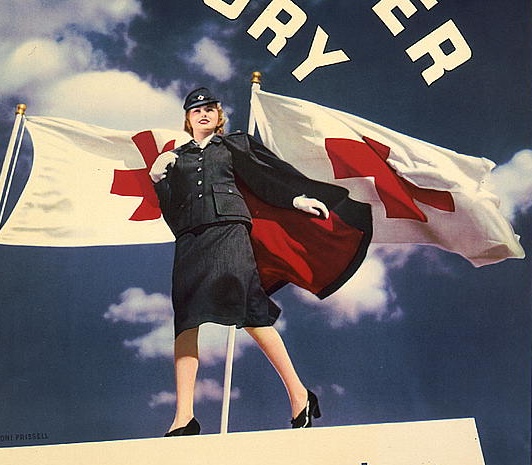
Thousands of American women overseas, among the few civilian women present in active combat zones.
More than 59,000 women in every theater, from the beaches of Normandy to the liberation of Dachau.
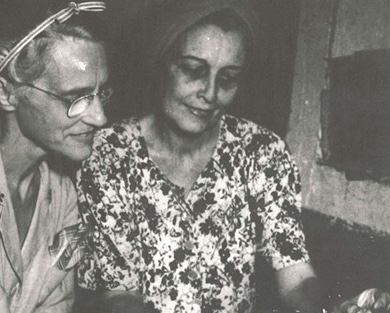
American and Allied civilian women interned by Japanese forces in the Pacific, and Japanese American women incarcerated in their own country's War Relocation Authority camps.
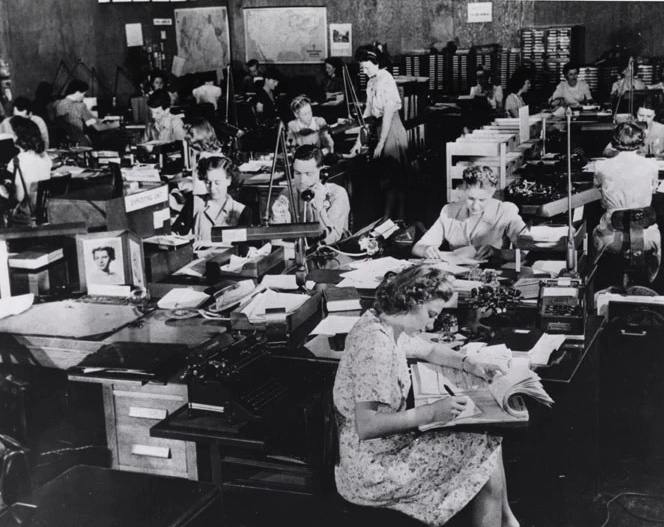
More than 10,000 American women in code-breaking work, including those who broke the Japanese Purple cipher.
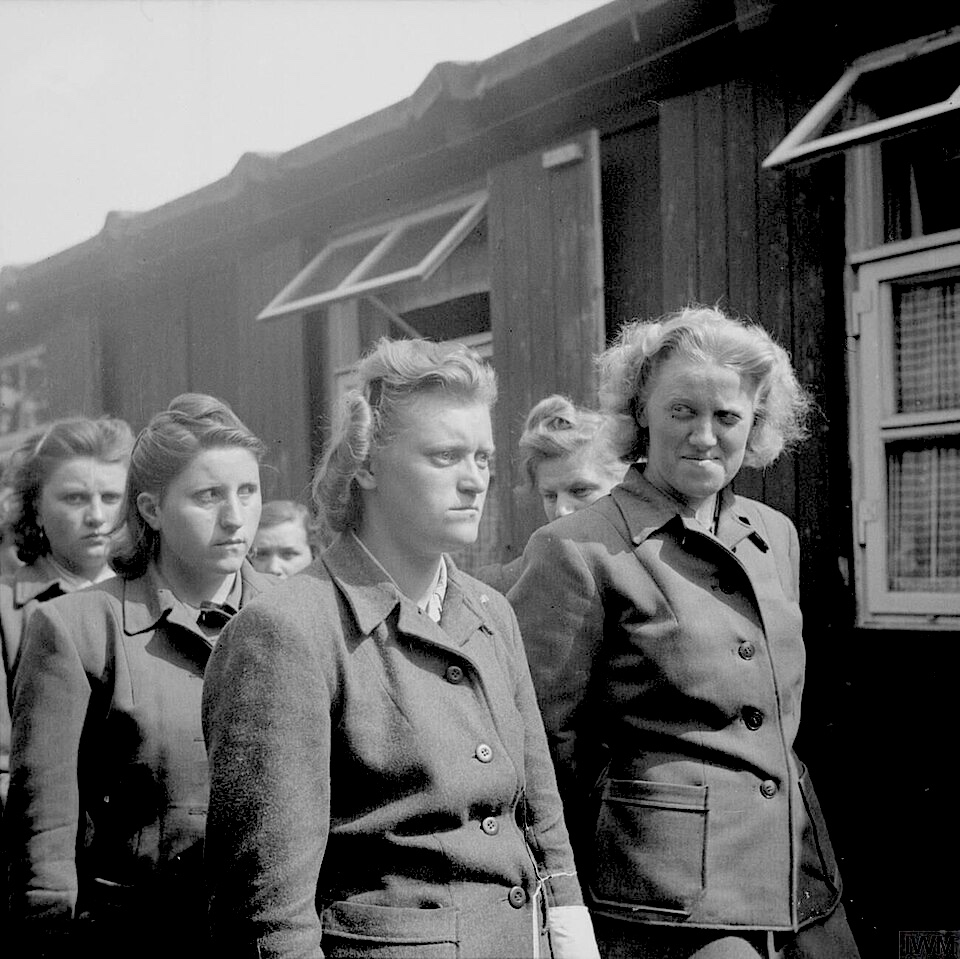
Roughly 3,500 to 4,000 women served as guards in the Nazi concentration camp system.
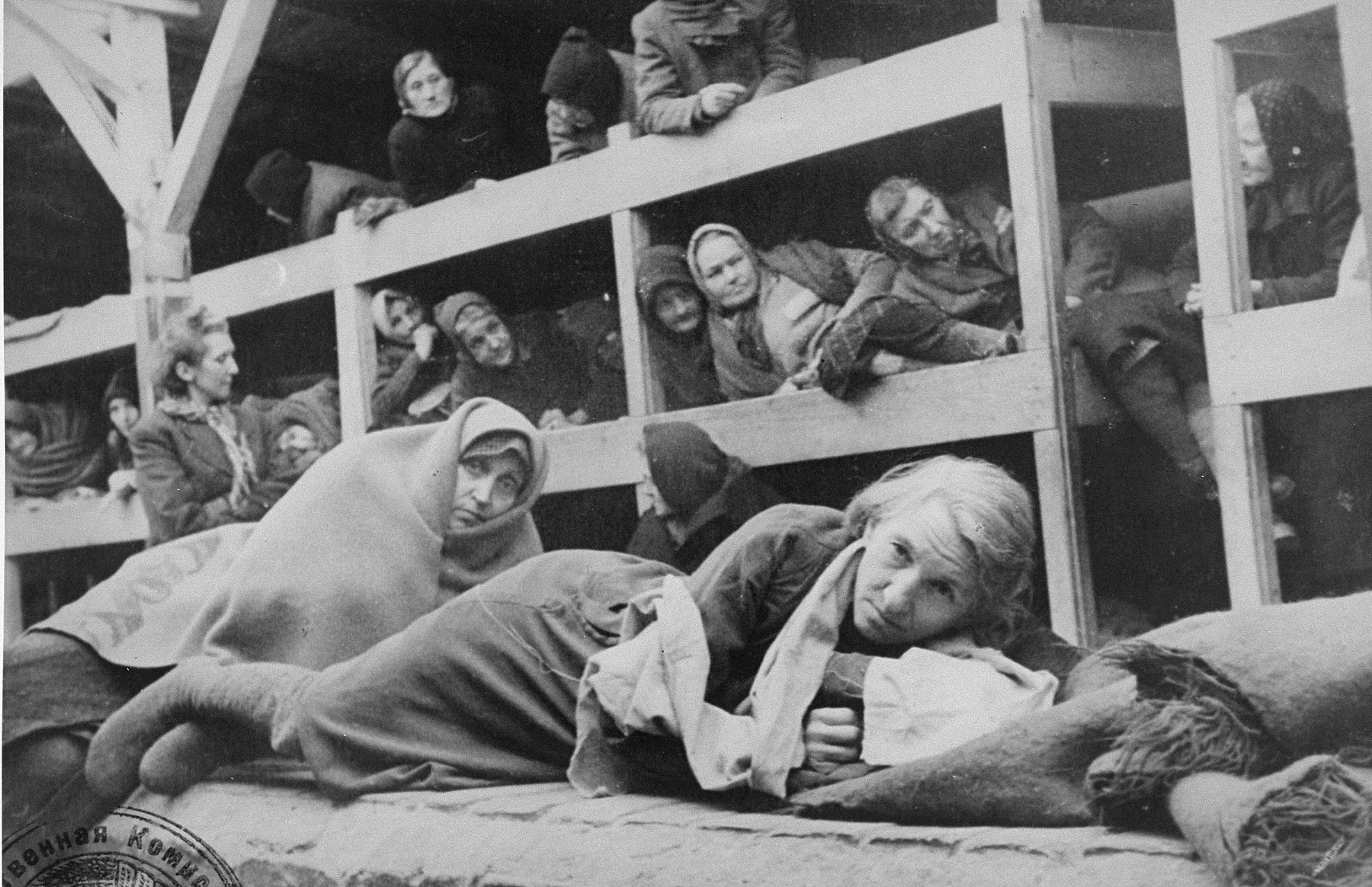
Jewish, Romani, and other women victims and survivors of the Nazi mass murder, across the documentary record of Allied liberation.
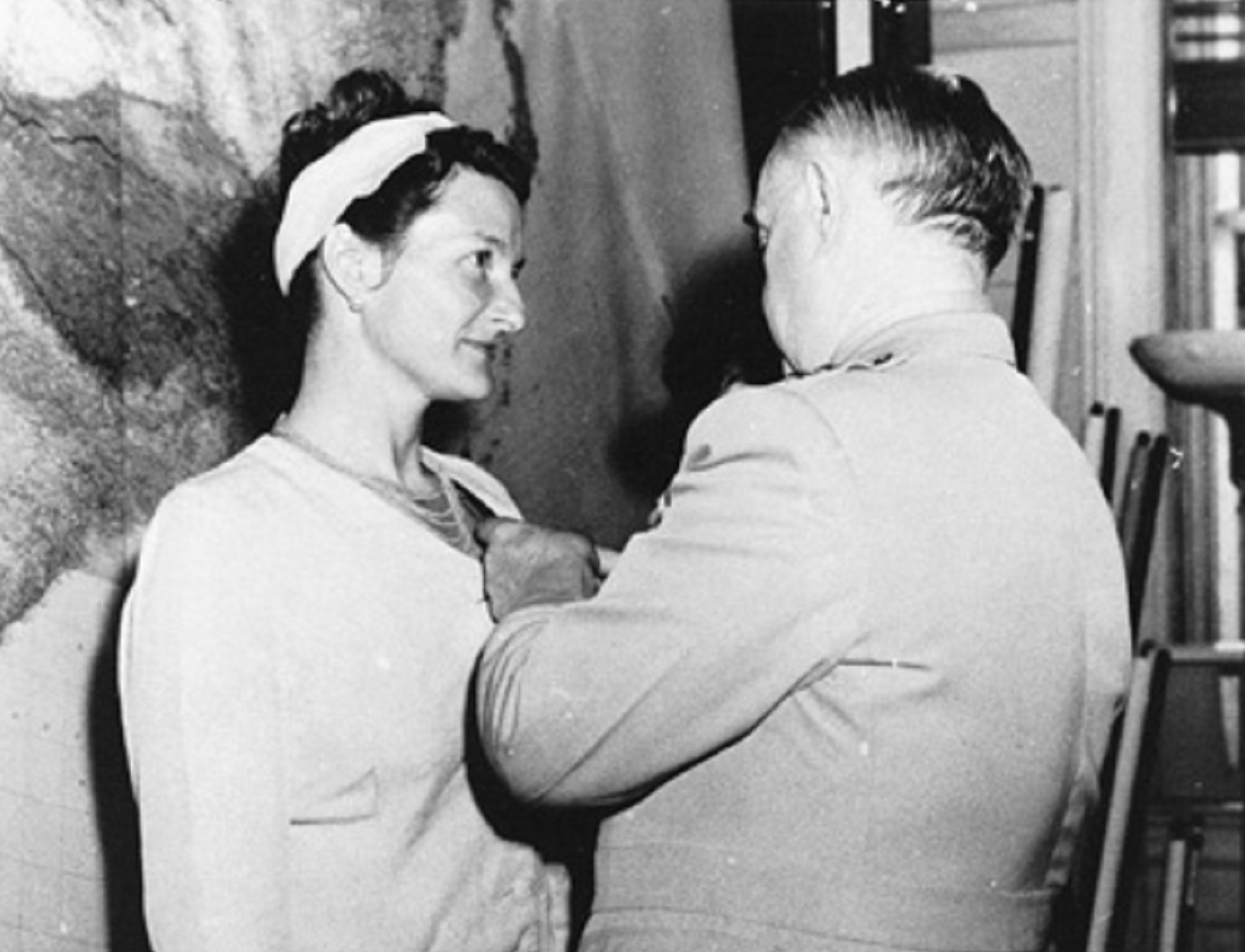
Women of the American and British secret services, sent behind the lines as agents, wireless operators, and saboteurs across occupied Europe and the Pacific.
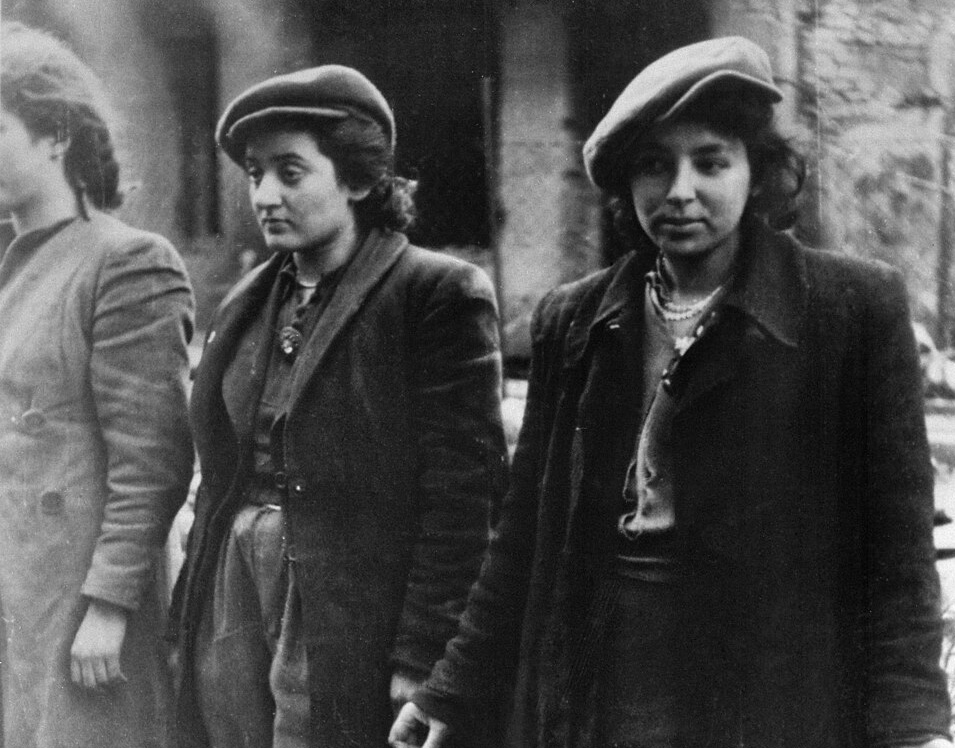
Women in Allied and Jewish resistance movements across occupied Europe, from western escape networks to the Warsaw, Vilna, and Bielski uprisings.
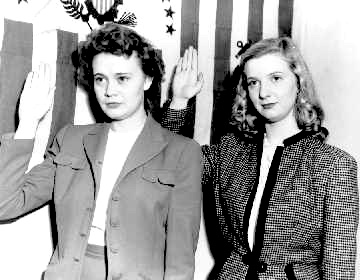
Approximately 10,000 women in the United States Coast Guard Reserve, among the least researched of the women's branches.
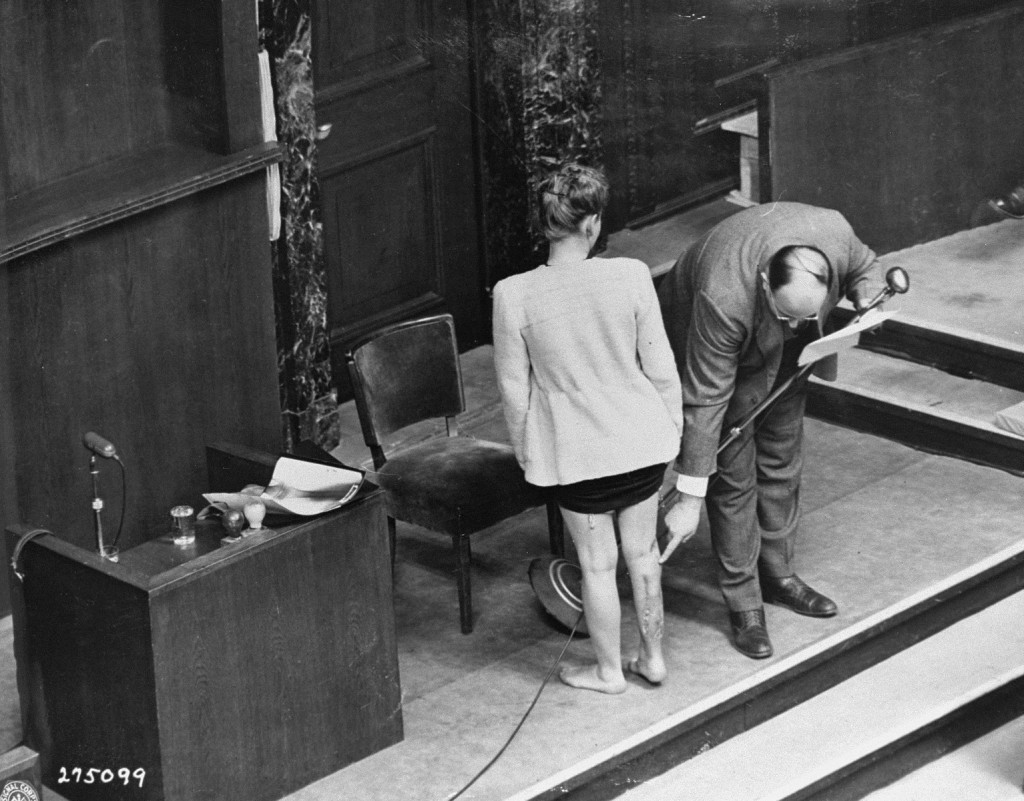
Documented cases of women victims of war crimes across tribunal, investigation, and memorial archives.
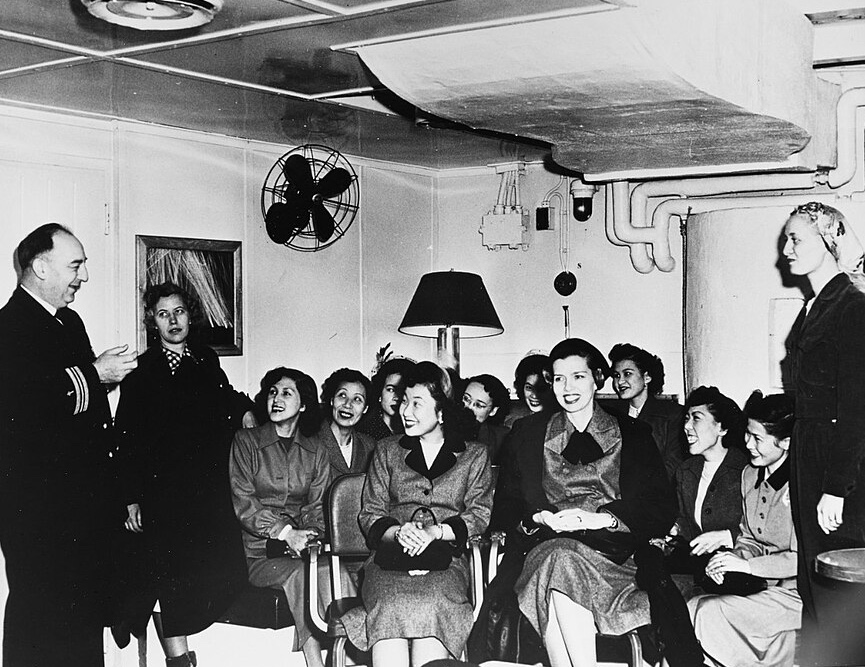
More than 100,000 women who married American servicemen and emigrated under the War Brides Act of 1945.
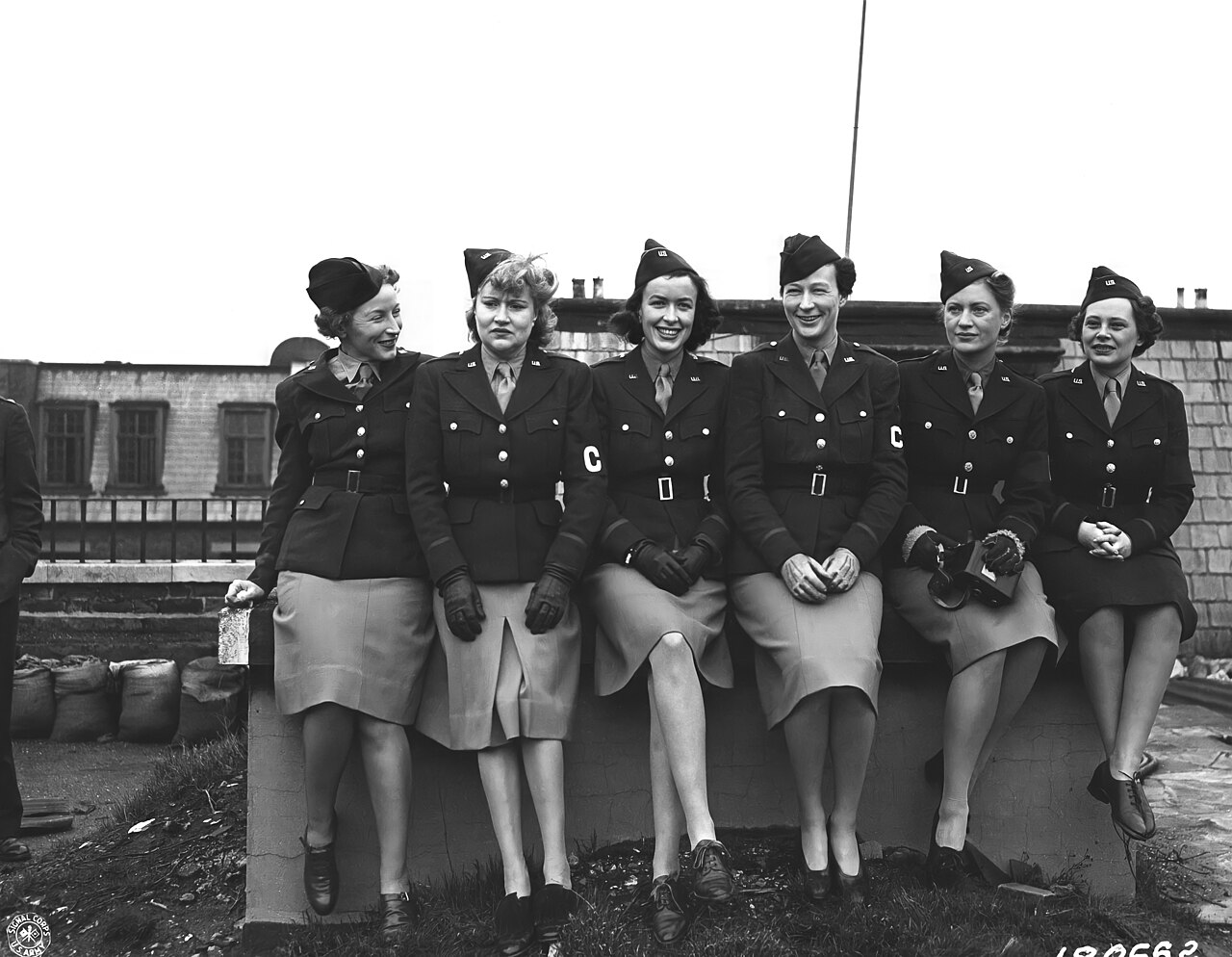
Women journalists and photographers covering the war from the front lines despite systematic military resistance.
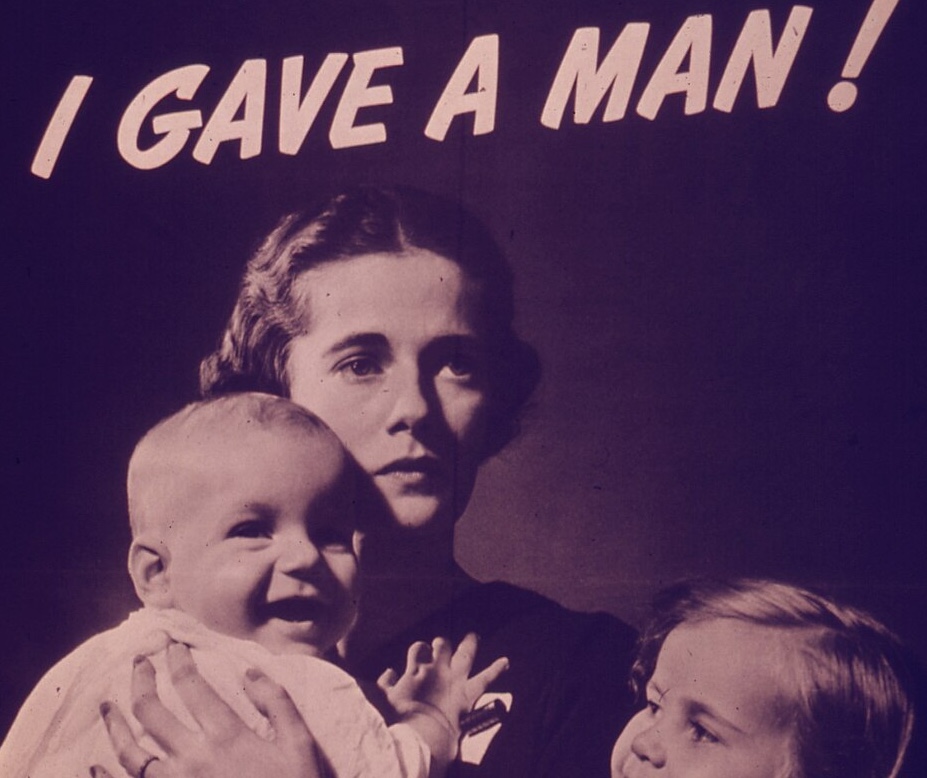
Among the most thoroughly documented women in the WWII archive, and among the least researched.
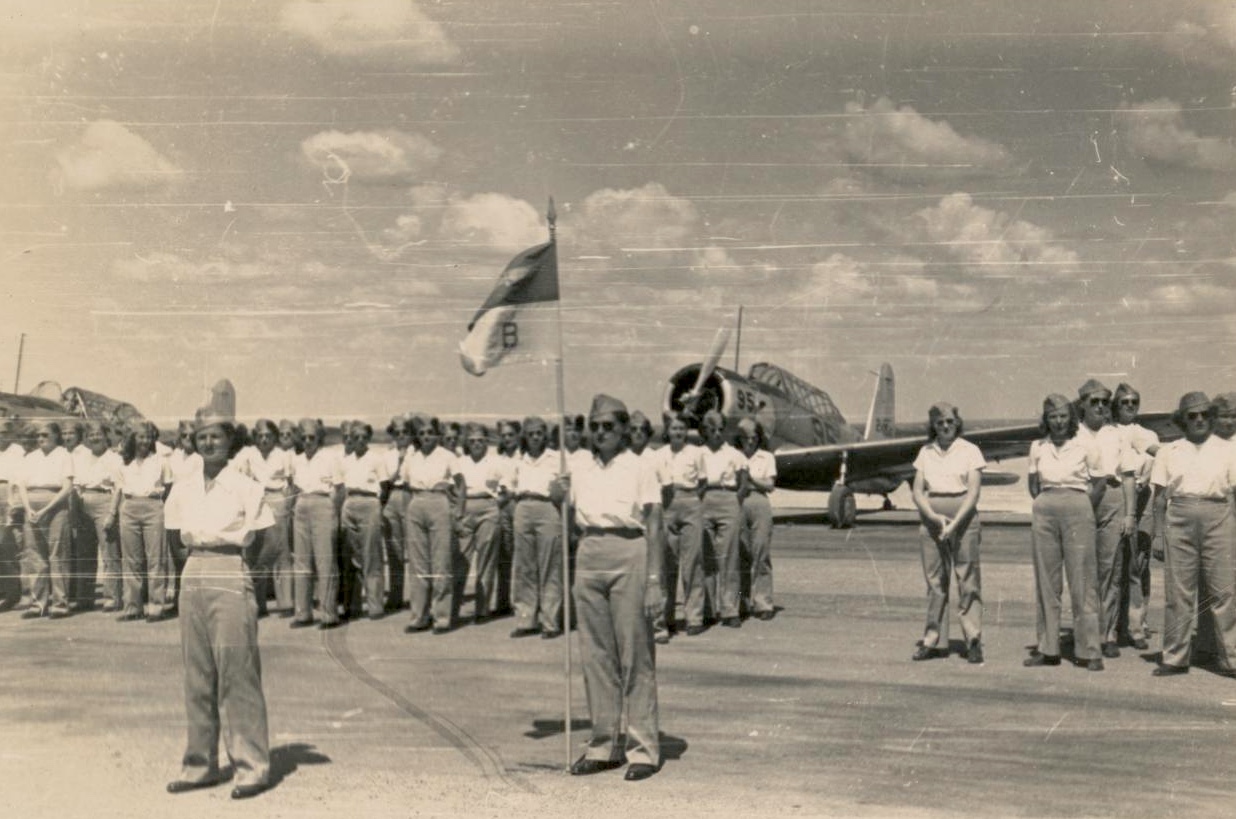
1,074 American women who flew military aircraft on non-combat missions. Thirty-eight died in service. Denied military status until 1977.
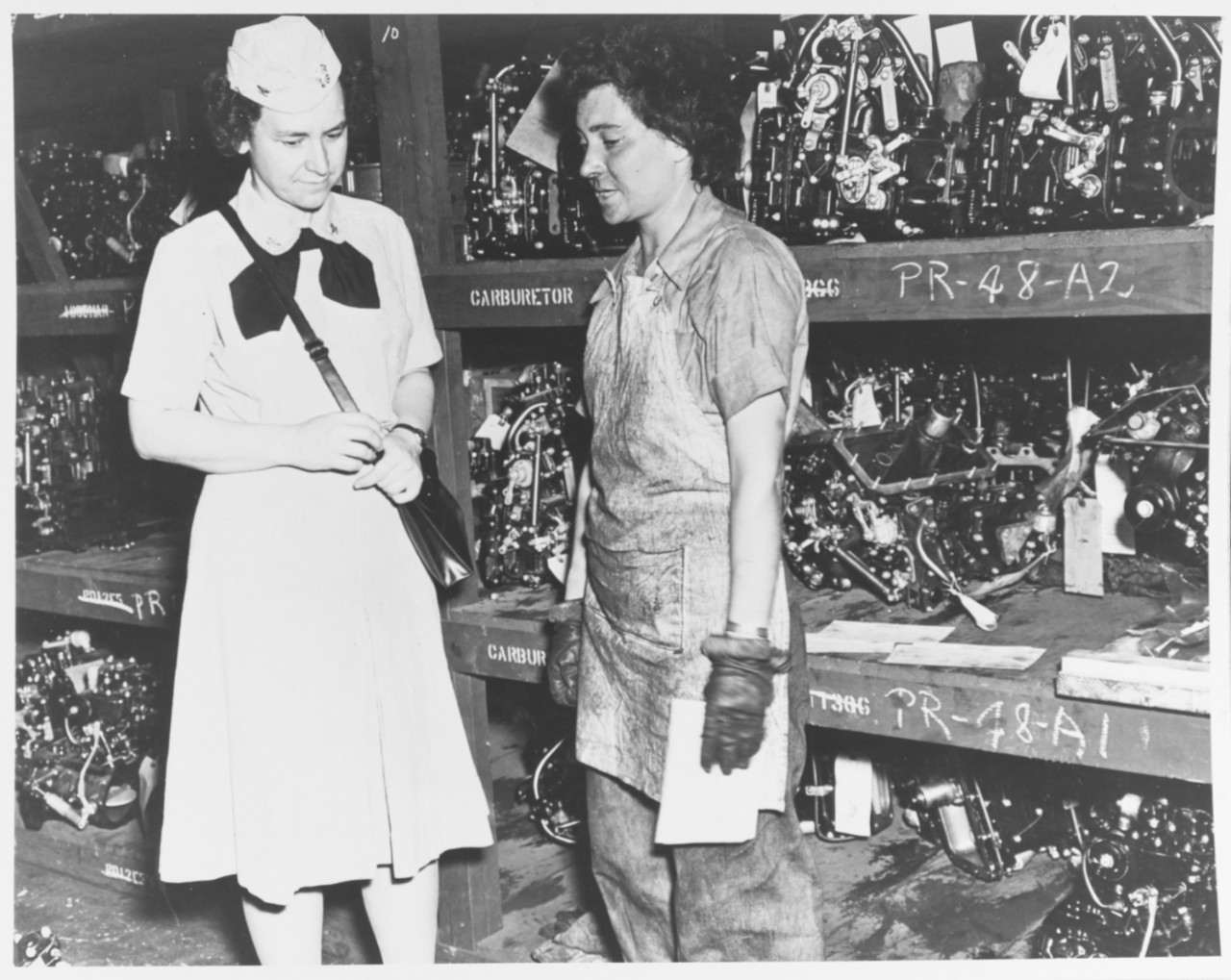
More than 86,000 women in the United States Naval Reserve, freeing men for sea duty.
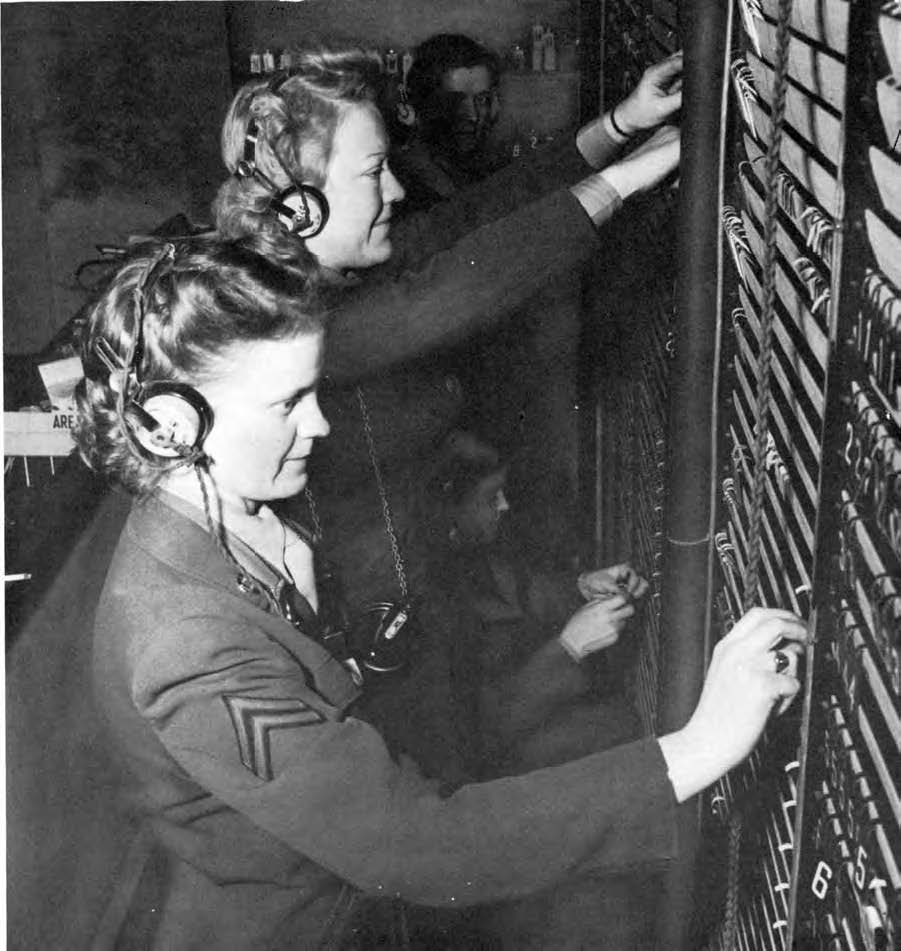
More than 150,000 American women in non-combat military roles across every theater.
Researched and written by Erin Faith Allen · Fortitude Research